
Quality & Infrastructure at Pee Aar Industries
At Pee Aar Industries, we are committed to providing our customers with the highest quality footwear products that are designed to last. Our aim is to ensure that every pair of shoes, slippers, and other products that we manufacture meet the highest standards of quality and performance.
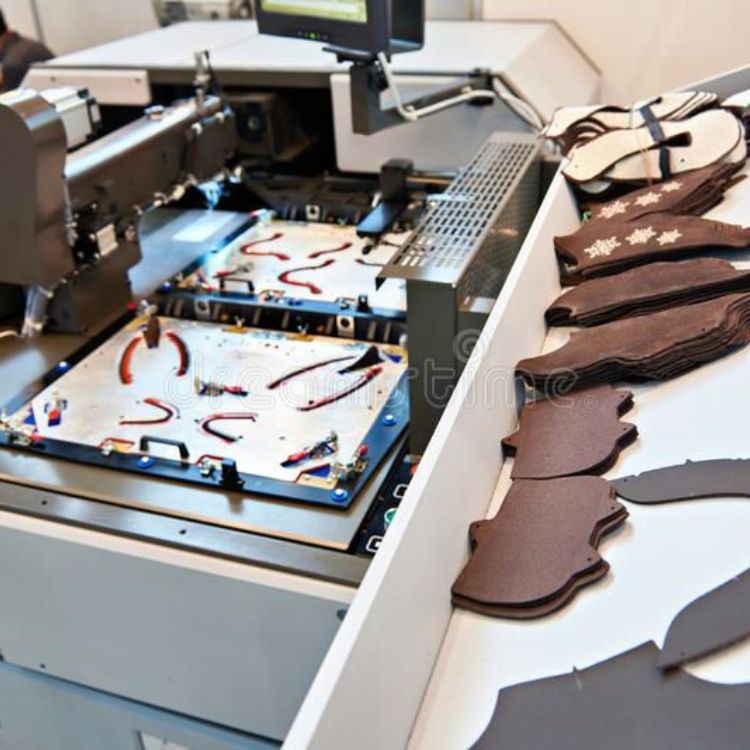
To achieve this, we use only the finest materials and state-of-the-art technology in our manufacturing processes. Our team of experts works closely with suppliers to select the best materials, ensuring that each product is made with the utmost care and precision. Our cutting-edge technology and modern production facilities enable us to produce high-quality products at a competitive price, without compromising on quality.
Quality control is a top priority at Pee Aar Industries, and we employ a rigorous inspection process to ensure that each product meets our strict standards. Our quality control team examines each product carefully, ensuring that it meets our high standards for durability, comfort, and appearance.
In addition to our commitment to quality, we are always seeking new ways to improve our products and manufacturing processes. Our research and development team works closely with our customers to understand their needs and preferences, and we are constantly exploring new materials, technologies, and production methods to ensure that we are always at the forefront of the footwear industry.
At Pee Aar Industries, we believe that quality and technology go hand in hand, and we are proud to offer our customers footwear products that are both stylish and functional. Whether you are looking for shoes, slippers, or any other type of footwear, you can be confident that you are getting the best possible product when you choose Pee Aar Industries.


A Glimpseat our Production Process
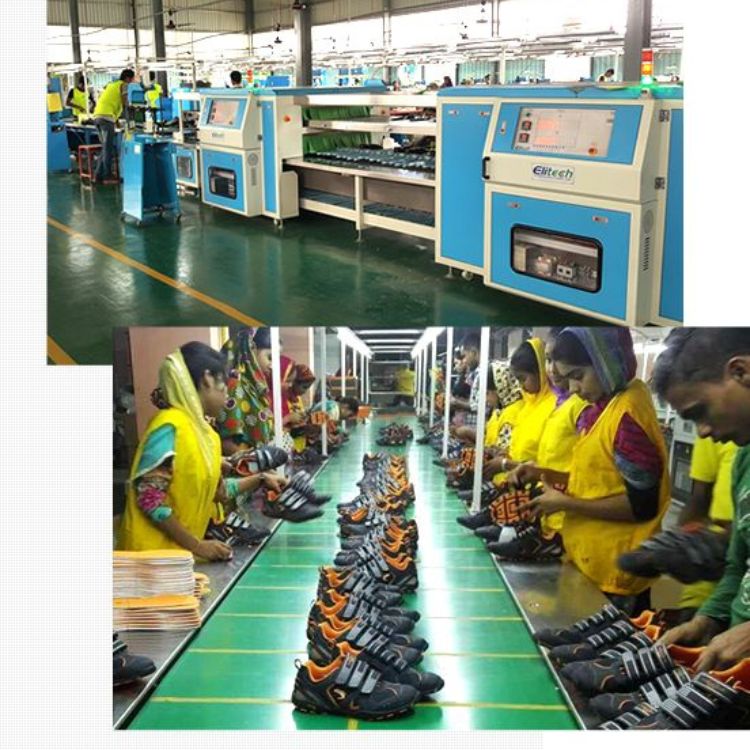
A Small Glimpse of our daily working at the company.
Our Infrastructure
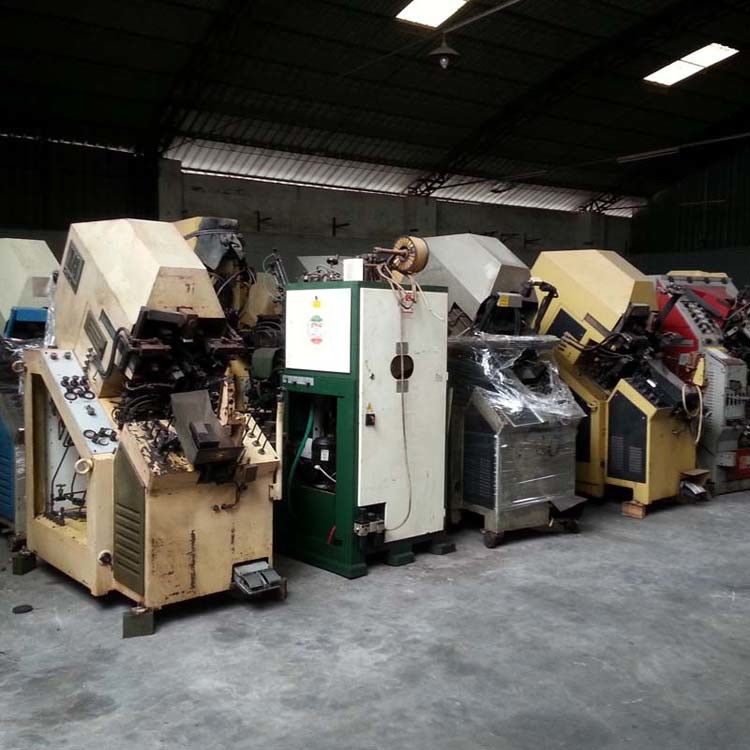
Our company continuous vision to grow is supported by well connected infrastructure facility to maintain momentum of higher economic growth
Footwear Quality Control & Manufacturing Assurance FAQ — Inside Pee Aar Industries
1) What quality control processes are followed in footwear manufacturing?
Professional footwear quality control uses multi-stage inspections — incoming material checks, in-line production audits, and final batch verification. Each step validates construction accuracy, finishing, and durability. This layered system minimizes risk, protects bulk buyers, and ensures commercially reliable footwear ready for distribution.
2) How are raw materials selected and tested before production?
Commercial footwear material testing evaluates flexibility, abrasion resistance, bonding strength, and comfort properties. Only approved materials enter production after lab validation. This screening prevents structural failures, ensuring consistent footwear performance aligned with brand expectations and large-scale manufacturing reliability.
3) What international quality standards are adhered to?
A global-ready quality-compliant footwear manufacturing framework aligns with export-driven inspection benchmarks and safety protocols. Following internationally recognized quality principles ensures footwear durability, consumer safety, and regulatory acceptance — critical for brands targeting cross-border retail markets.
4) How is consistent product strength and performance ensured?
Structured performance footwear validation includes stress simulation, sole adhesion testing, and wear trials during pilot runs. Standardized production parameters eliminate variability, allowing repeatable output — essential for maintaining uniform quality across commercial footwear orders.
5) What testing technologies assess durability and comfort?
Modern footwear testing technology uses mechanical flexing systems, compression analysis, and ergonomic evaluation tools. These instruments simulate real-world use, ensuring long-term wear comfort and structural integrity — key purchase drivers for high-volume buyers.
6) How is modern manufacturing technology used to improve quality?
Advanced technology-driven footwear production integrates precision cutting, automated assembly, and workflow monitoring. Digital consistency reduces human error while improving finishing accuracy. This technology backbone supports scalable production without compromising commercial quality benchmarks.
7) Are all footwear products tested for safety and wear resistance?
Yes — a comprehensive footwear safety testing protocol evaluates traction, material resilience, and structural stability. Every batch undergoes validation to ensure safe performance in daily or industrial use, protecting brand credibility and end-user confidence.
8) How are defects detected before shipment?
Pre-dispatch footwear defect inspection combines visual audits, random sampling, and performance checks. Non-conforming products are isolated and corrected before packaging. This process safeguards bulk orders, reducing returns and maintaining supply chain trust.
9) What certifications or compliance marks are maintained?
A professional certified footwear manufacturing system follows documented compliance procedures supporting export readiness and quality assurance. Certification alignment reassures buyers that production processes meet recognized commercial manufacturing standards.
10) Why is advanced equipment important for footwear quality?
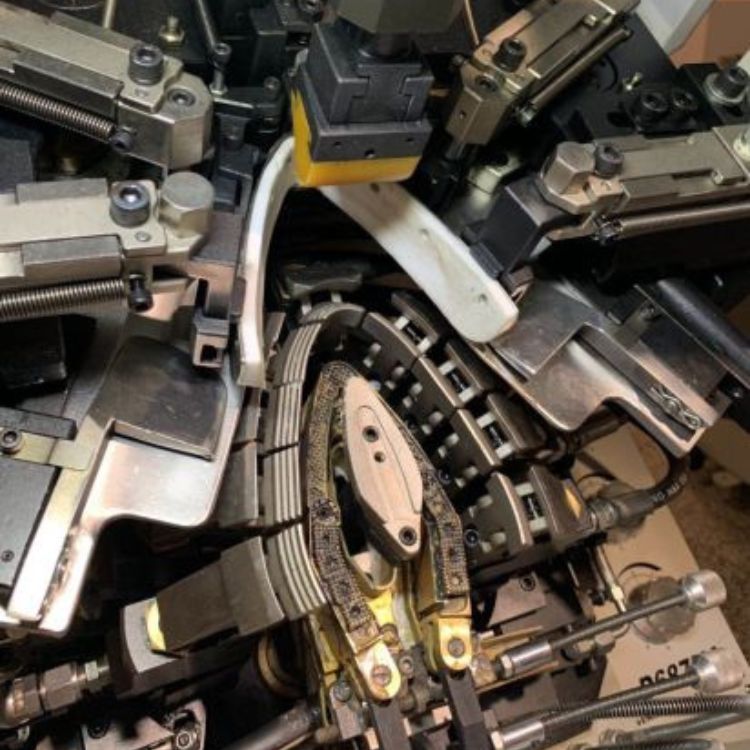
High-precision industrial footwear machinery ensures uniform cutting, bonding accuracy, and structural consistency. Modern equipment reduces variability, accelerates production cycles, and supports reliable finishing — delivering footwear that performs consistently across large batches.
11) What are the key steps in the quality assurance workflow?
A structured footwear QA workflow includes material validation, pilot sampling, in-line inspection, final audit, and shipment verification. Each checkpoint confirms design accuracy and performance reliability, creating a controlled production pipeline for commercial footwear manufacturing.
12) How is quality maintained during large production volumes?
Scalable high-volume footwear quality management uses standardized operating procedures, real-time monitoring, and batch tracking. This ensures uniform output regardless of order size — critical for retailers and distributors managing large inventories.
13) Can buyers request quality reports or lab certifications?
Yes — transparent footwear quality documentation can include inspection summaries, material reports, and lab test verification. Providing these records builds buyer confidence and supports procurement compliance requirements for commercial footwear orders.
14) How does technology reduce defects and improve satisfaction?
Digital manufacturing defect control systems identify inconsistencies early through process monitoring and automation. This proactive approach reduces rework, shortens lead times, and improves product reliability — enhancing buyer satisfaction and operational efficiency.
15) What role does workforce expertise play in quality assurance?
Skilled teams drive expert footwear quality management through precision assembly, inspection discipline, and process adherence. Experienced craftsmanship combined with training ensures every production stage meets commercial durability and finishing expectations.